


As the custom furniture market continues to grow, the production of panel furniture is evolving toward automation, digitalization, and flexible manufacturing. To meet demands for high product variety, small-batch production, and rapid delivery, furniture manufacturers are placing increasing emphasis on machining precision, production cycle times, material utilization rates, and the coordination between different processing stages.
Against this backdrop, panel cutting, edge banding, and drilling—as core processes in panel furniture production—play a decisive role; their processing efficiency and the seamlessness of their integration directly impact the operational efficiency of the entire production line.
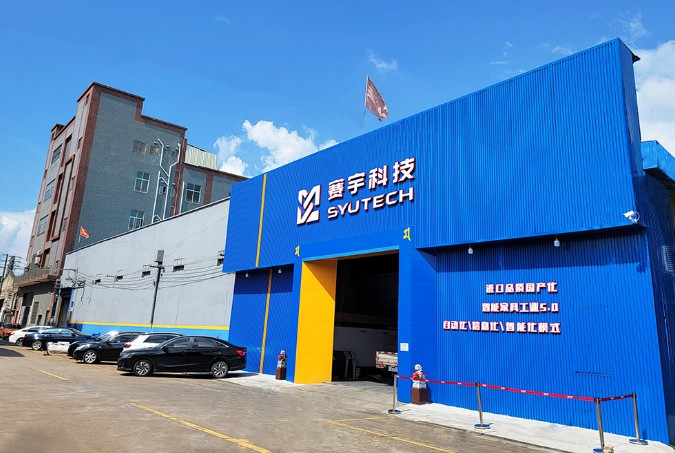
CNC Cutting: Enhancing Material Utilization and Machining Precision
CNC cutting is a fundamental step in panel processing. By combining CNC cutting equipment with optimized nesting layouts, manufacturers can effectively meet processing requirements for panels of various sizes and structures, minimize unnecessary material waste, and provide dimensionally accurate panels for subsequent edge banding and drilling operations.
For custom furniture factories, consistent cutting precision not only improves panel uniformity but also helps reduce costs associated with adjustments and rework in downstream processes.
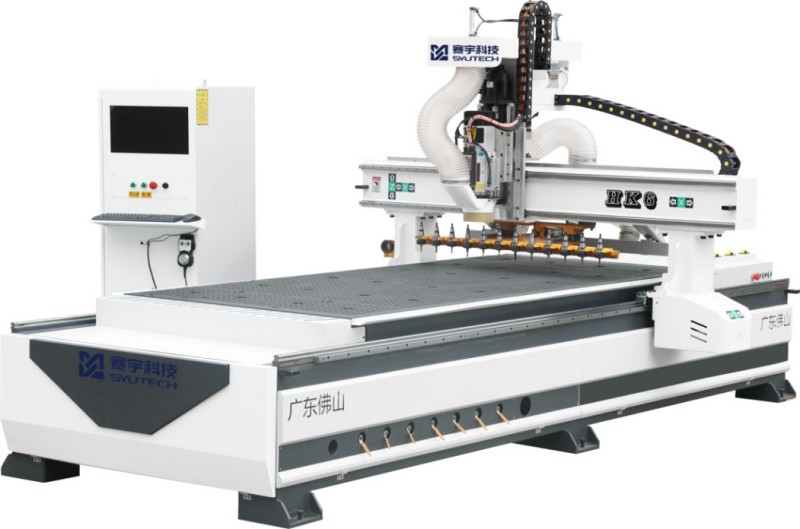
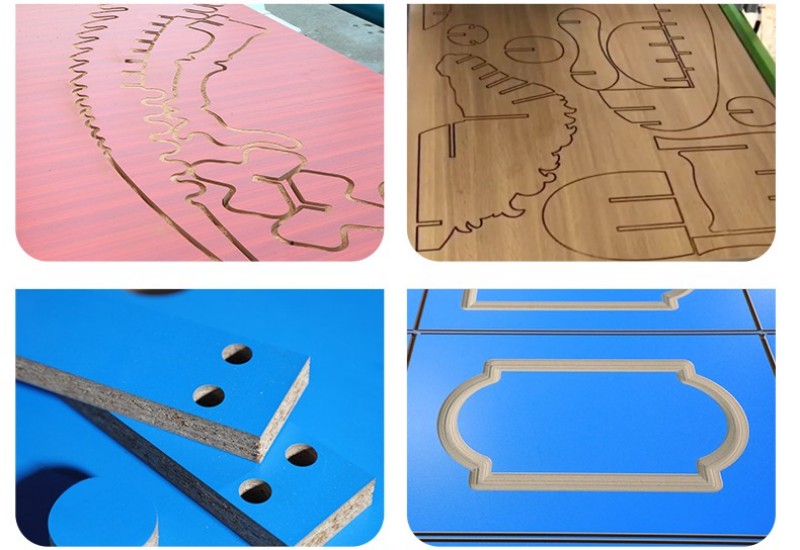
Edge Banding: Balancing Processing Efficiency and Finished Product Quality
Edge banding quality is a key factor in determining the aesthetic appeal and manufacturing excellence of panel furniture. As consumer expectations regarding furniture details rise, edge banding equipment must not only meet the demands of continuous production but also ensure consistent results across processes such as gluing, pressing, end-cutting, trimming, scraping, and buffing.
High-efficiency, stable automatic edge banding machines enable furniture manufacturers to optimize panel processing workflows and enhance the consistency of edge banding results, providing reliable manufacturing support for cabinets, wardrobes, office furniture, and whole-home custom furnishing products.
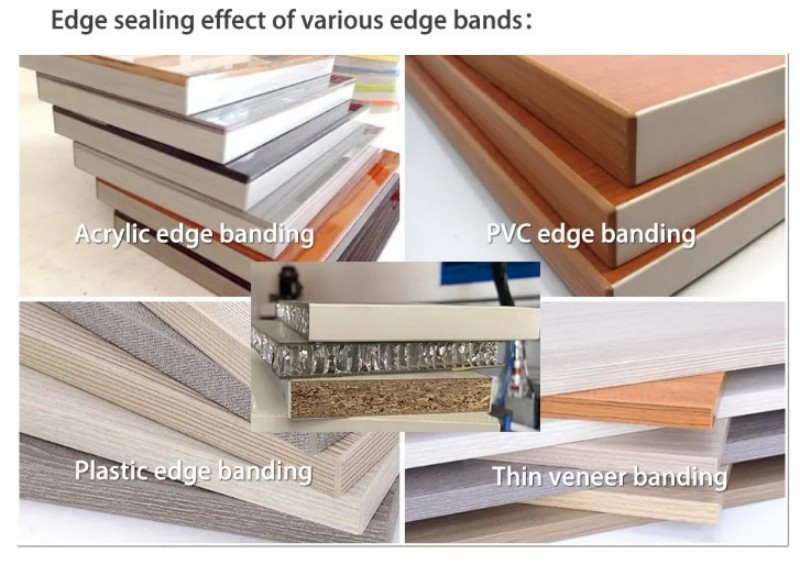
Six-Sided Drilling: Optimizing Drilling Efficiency and Assembly Precision
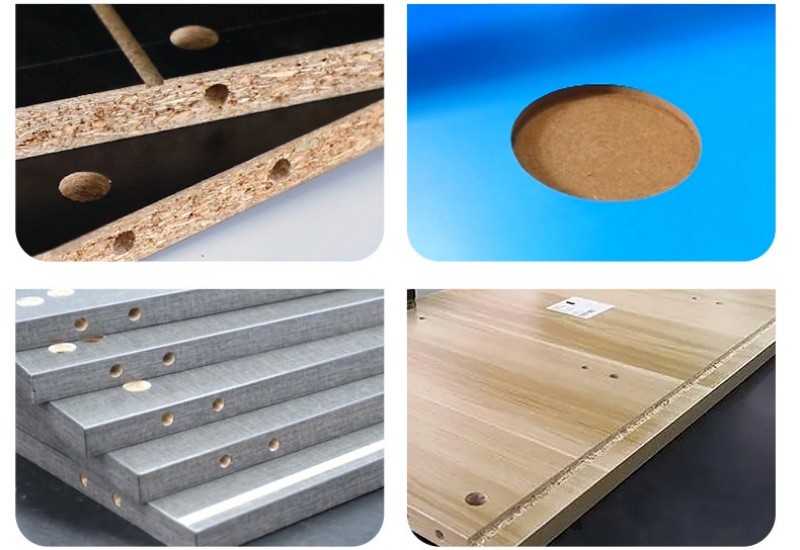
As furniture structures and joining methods become increasingly diverse, the demand for vertical, horizontal, and multi-sided machining of panels continues to rise. Six-sided drilling machines can perform operations—such as drilling—on multiple surfaces of a panel based on programmed instructions; this eliminates the need for repetitive positioning and manual panel flipping, thereby helping enterprises improve machining efficiency and hole-positioning consistency.
Strategically configuring CNC nesting machines, edgebanders, and six-sided drilling machines—combined with effective production management and process planning—helps minimize panel waiting times and enhances the continuity of the production workflow.
Post time: Oct-15-2026